
Is Woodland Hills, Utah a good place to live?
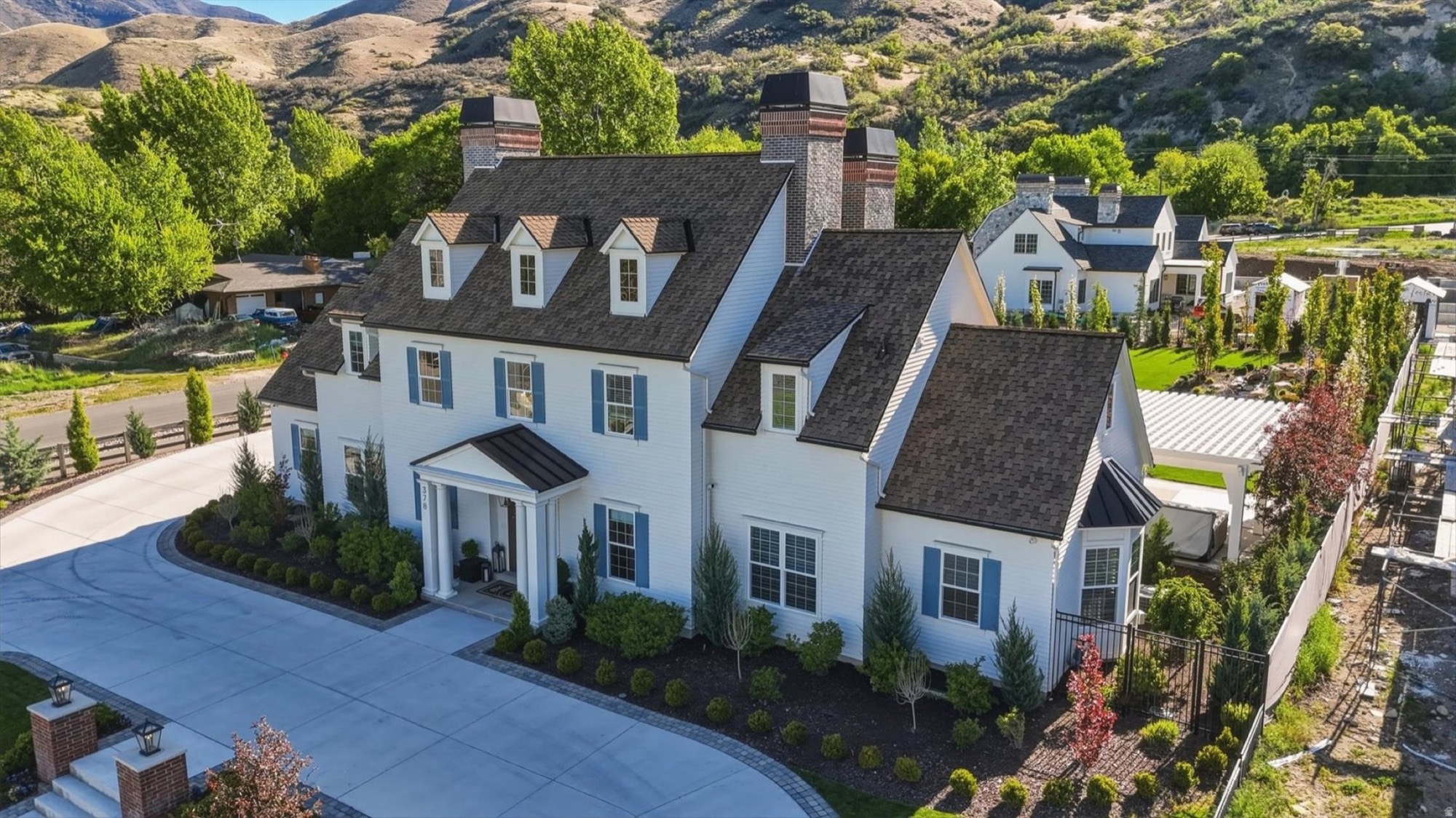
For buyers who want land, trees, wildlife, and quiet, yes. Woodland Hills is a residential mountain town on the foothills above Salem. It is almost entirely single-family homes on large lots, and residents drive to nearby cities for work and shopping.
- Big lots by rule: the smallest residential zone requires 19,000 square feet, and most of the city is zoned for one acre or more. The typical home that sells here sits on about an acre.
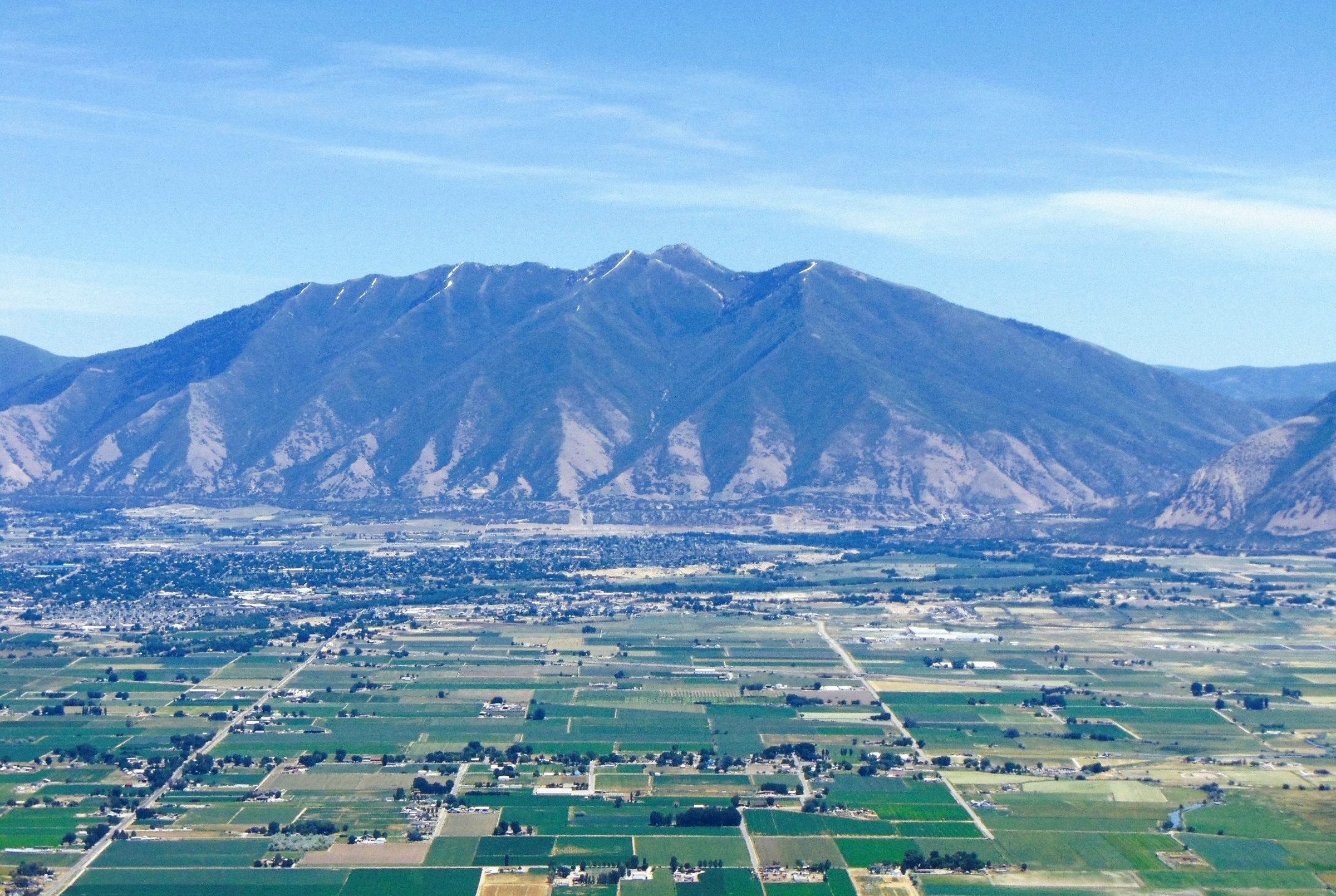
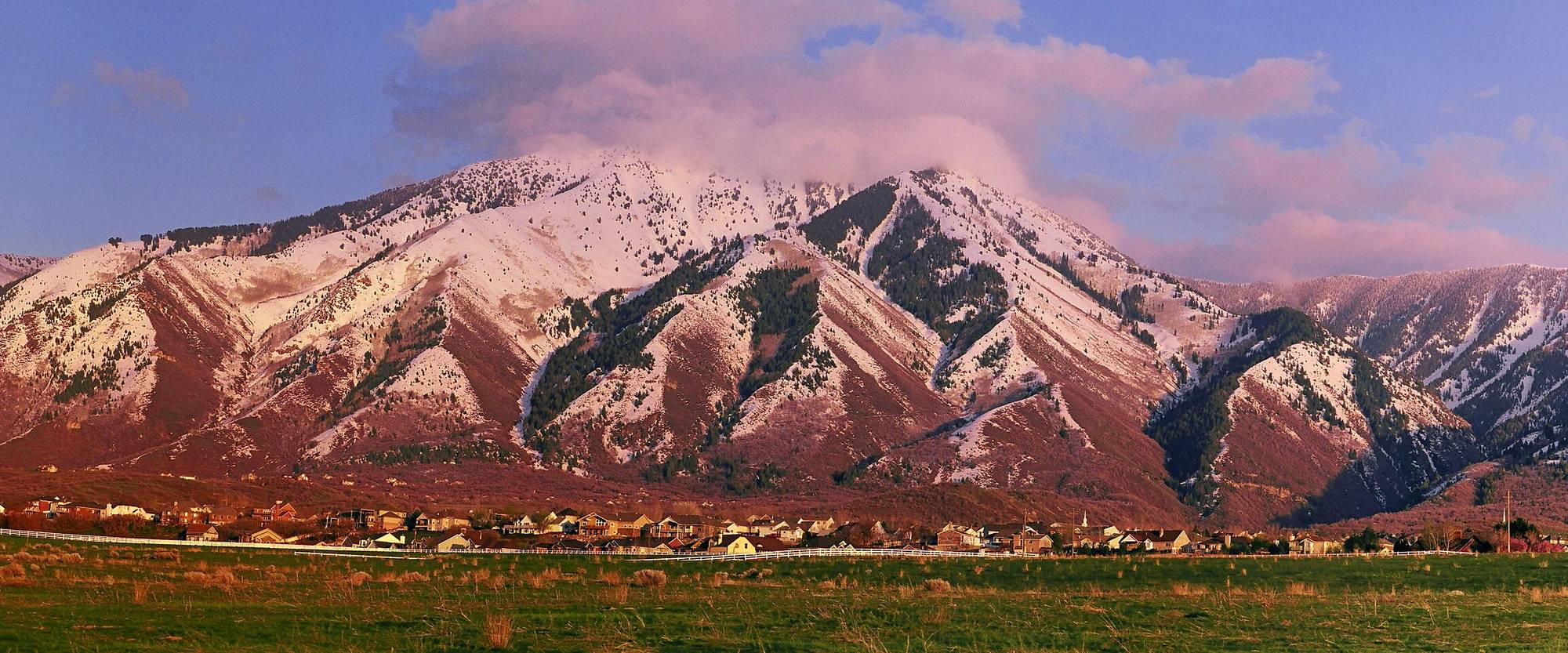
- Mountain living: the city runs from about 5,000 feet to over 6,200 feet, among maple, oak, and aspen, with deer, elk, and wild turkeys in town and views of Mount Timpanogos and the valley.
- Slow, limited growth: Woodland Hills grew from 1,532 people in 2020 to an estimated 1,707 in 2025. The city counts 181 empty lots left in existing subdivisions and about 672 homes at full build-out.
- A close-knit town: the fire department is staffed by resident volunteers, and the city holds Woodland Hills Days each September.
The tradeoffs are real. Property tax is the highest of the south county towns. About three in four homes are on septic, and there is no secondary water. Winters bring more snow than the valley below, and the whole city was evacuated during the 2018 Bald Mountain Fire. Everything you need day to day is a drive away, in Salem, Payson, or Spanish Fork.
Is Woodland Hills safe? Who polices it?
Woodland Hills has no police department of its own. The Utah County Sheriff's Office covers it under contract, with one deputy assigned to the city and backup from the sheriff's south region deputies.
Because of that, the state's Crime in Utah report does not publish a crime rate for Woodland Hills alone. Its numbers are part of the sheriff's whole service area, which reported 24.20 offenses per 1,000 residents in 2024, below the Utah County rate of 30.81. That area covers several towns and the unincorporated county, so treat it as a regional figure, not a number for Woodland Hills itself.
Fire and medical calls are answered by the city's volunteer Fire and EMS department, with help from Salem EMS under an agreement between the cities. During wildfire season the city also employs a paid seasonal fire crew.
Emergencies: 911. Sheriff non-emergency line listed in the city's resident handbook: (801) 794-3970. City office: (801) 423-3900.
What are property taxes in Woodland Hills, Utah?
Woodland Hills has the highest property tax rate of the south Utah County towns: 0.011581 in 2026, down slightly from 0.011739 in 2025. The whole city is one tax district (district 182), so there are no extra neighborhood levies.
The reason is the city's own share. Woodland Hills levies 0.002976, about 2.6 times Salem's city levy and about 3 times Elk Ridge's. The city has a small tax base and maintains its own roads, water system, and fire department, so property tax does more of the work.
Utah taxes a primary home on only 55% of its market value. Here is what the same $900,000 primary home pays in 2026 in Woodland Hills and its neighbors:
| City | 2026 rate | Estimated tax, $900,000 primary home |
|---|---|---|
| Woodland Hills | 0.011581 | about $5,733 a year |
| Santaquin | 0.010004 | about $4,952 a year |
| Payson | 0.009882 | about $4,892 a year |
| Salem | 0.009734 | about $4,818 a year |
| Elk Ridge | 0.009610 | about $4,757 a year |
That is roughly $900 to $1,000 more a year than the same home in Salem or Elk Ridge. A second home or rental is taxed on its full value, about $10,423 a year on the same house.
Rates from the Utah County Treasurer, district 182. Estimates assume Utah's 45% primary residence exemption.
Who provides power, water, and sewer in Woodland Hills?
Power comes from South Utah Valley Electric Service District (SESD), not Rocky Mountain Power. The city provides drinking water, and most homes are on septic rather than city sewer.
- Electricity: SESD, a non-profit power district based in Payson. Call (801) 465-8020, or (801) 465-8053 for after-hours outages. SESD allows rooftop solar systems up to 25 kilowatts.
- Drinking water: Woodland Hills City. The system runs on gravity from the top of the hill, and the city operates 28 pressure-reducing stations to keep pressure safe. The city asks every home to have its own pressure-reducing valve and to replace it every 8 to 10 years, and owners must insulate their water meter each fall.
- No secondary water: the city does not run a secondary irrigation system, so lawns and gardens are watered with metered drinking water.
- Natural gas: Enbridge Gas serves all homes.
- Internet: UTOPIA fiber and Comcast cover most of the city, and the Summit Creek area is served by CentraCom.
- Garbage: Waste Management, under a city contract.
Septic or sewer?
This is the first thing to check on any Woodland Hills home. The city estimates about three-fourths of the city is on septic, and about 134 homes were connected to sewer as of 2026, mostly in newer subdivisions. Sewer is treated by Payson City. New homes within 300 feet of a sewer line must connect. Septic systems are approved by the Utah County Health Department, and the city's handbook says tanks must be pumped at least every five years.
What the city utilities cost
| Monthly charge | 2026 rate |
|---|---|
| Water maintenance fee | $78.00 |
| Water use | Tiered, from $1 to $6 per 1,000 gallons |
| Sewer base rate (sewered homes only) | $97.18 |
| Garbage can | $18.50 |
| Recycling can | $24.50 |
From the Woodland Hills consolidated fee schedule approved June 23, 2026. Power and gas are billed separately. Ask for a year of utility bills before you buy; summer water use on a big lot adds up.
What are the wildfire rules in Woodland Hills?
Wildfire is the biggest risk of living here, and the city treats the whole town as fire-prone. In 2018 the Bald Mountain and Pole Creek fires burned about 120,000 acres combined, and the entire city was evacuated for 11 days.
In January 2026 the city adopted a Wildland-Urban Interface map under the Utah Wildland Urban Interface Code, which sets fire-safety building standards in mapped areas. The city's General Plan says every area of Woodland Hills may be subject to those standards. What it means for owners:
- Clear dead vegetation within 100 feet of a home, even when it sits on a neighbor's lot. The lot with the dead material is responsible.
- Keep scrub oak 30 feet from buildings, or 10 feet if the area from 10 to 30 feet is automatically irrigated. Native grass within 30 feet must be cut to 6 inches or less.
- Clear dry grass, dead trees, and dead branches within 30 feet of a city street. The streets double as firebreaks.
- No fireworks of any kind, including sparklers, and no open fires.
- Build with fire in mind: the General Plan recommends Class A roofing, ignition-resistant siding like fiber cement or stucco, and fire-resistant decks and fences.
Rules summarized from the city's resident handbook and 2026 General Plan. Ask your insurance agent about wildfire coverage before you write an offer; it can affect cost and availability.
What should I know about building on a hillside lot in Woodland Hills?
Steep lots cost more to build on, and the city has specific rules for driveways, gates, and natural hazards. About 1,200 feet of elevation separates the lower and upper parts of town.
- Driveways: at least 12 feet wide, paved with concrete or asphalt, with 13.5 feet of clearance for fire trucks and a grade of no more than 15%. The city council can grant an exception where the slope makes that impossible.
- Driveway gates: no taller than 6 feet, set at least 19 feet back from the street, and they must open automatically to an emergency vehicle siren, stay open in a power failure, and have a manual release. The city can test them once a year.
- Natural hazard studies: on lots shown on the city's natural hazard map, the city may require a hazard study before a new home is built, and the owner or builder takes on the risk if a hazard turns up. The city also posts geologic hazard and fault maps.
- Snow: the town gets about 20 to 25 inches of precipitation a year, compared with 15 to 20 in the valley, and snow lasts longer on the shaded slopes. Overnight street parking is not allowed, and the city limits new streets to a 10% grade.
What does it cost to build a new home in Woodland Hills?
City fees are modest next to the cost of building on a slope. The water impact fee is $5,267 plus a $650 connection fee. Lots that connect to sewer also pay Payson's sewer impact fee, and the West Loafer area adds $3,501. Lots on septic need a system approved by the county health department instead.
How much do homes cost in Woodland Hills?
Woodland Hills home prices rose from a median of $560,000 in 2019 to $1,099,900 in 2023 and have moved between about $925,000 and $1,025,000 since, at $962,500 so far in 2026. With only 12 to 23 sales a year, these medians swing more than in bigger towns. Over the last 12 months (October 2025 through September 2026), the median single-family home sold for $912,500, or $229 per square foot, and 44.4% of sales were $1 million or more.
Median sold price of single-family homes in Woodland Hills by year. *2026 is January through September. Based on UtahRealEstate.com sales data, pulled October 20, 2026.
What your budget buys in Woodland Hills
| Price | Typical home |
|---|---|
| $700K to $900K | About 3,950 square feet on a little over an acre, usually 5 bedrooms, in a home typically built around 1992. |
| $900K to $1.2M | About 4,500 square feet on a little over an acre, usually 4 bedrooms, in a home typically built around 1999. |
| $1.2M to $2M | About 5,100 square feet on about an acre, usually 6 bedrooms, in a home typically built around 2019. |
| $2M and up | About 6,800 square feet on a little under three-quarters of an acre, usually 6 bedrooms; about a third were brand new, built in 2025 or later, with recent sales up to about $3.4 million. |
Woodland Hills is a small, slow-moving market: only 18 single-family homes sold in the last 12 months, 3 of them built in 2025 or later, and homes took a median of 85 days to sell. The 15 older resale homes sold for a median of $890,000 and closed at about 100% of their list price. The typical home here sits on about an acre. As of October 20, 2026, 17 single-family homes were for sale in Woodland Hills, with a median list price of about $1.57 million. Building lots of an acre or less sold for a median of $360,000 (about six-tenths of an acre) over the last two years, across 24 sales, and 10 parcels over an acre also sold. Because so few homes sell here, the price ranges below use the last 24 months of sales (October 2024 through September 2026, 36 sales) instead of 12.
What are the zoning and lot size rules in Woodland Hills?
Every residential zone in Woodland Hills is for large-lot, single-family homes, from 19,000 square feet to 10 acres. Septic setbacks and the steep ground are a big reason the city has stayed this way.
| Zone | Minimum lot |
|---|---|
| RR1-10 | 10 acres |
| RR1-5 | 5 acres |
| R1-2 | 2 acres |
| R1-80 | 80,000 square feet (about 1.8 acres) |
| R1-40 | 40,000 square feet (about nine-tenths of an acre) |
| R1-1 | 1 acre |
| R1-19 | 19,000 square feet (a little under half an acre) |
Homes are limited to 35 feet tall in every zone. A Mountain Villa overlay allows some smaller lots in planned projects, and planned developments in the R1-19 zone can cluster homes with a few attached units.
Want animals? Two farm animals are allowed on one full acre, plus one more for each additional full acre. Pigs, male goats, and roosters are not allowed, and corrals and dog runs must be at least 80 feet from the road and from any home.
Lot sizes from city code 10.8.5, as amended January 2026, and the 2026 General Plan. Animal rules from the city's resident handbook.
Can you build an ADU in Woodland Hills?
Yes. Woodland Hills now allows detached accessory apartments on single-family lots, under city code chapter 10-17. The city defines one as a detached building with its own kitchen, bedroom, and bathroom that is a separate but smaller home on the same lot.
- The owner must live on the property, in either the main home or the apartment, at all times.
- The approval is recorded with the Utah County Recorder, so it stays with the property.
- The city fee is $750, which covers up to four inspections, plus the building permit.
The city's 2026 General Plan sets a goal of making accessory apartments easier and cheaper to permit. On a septic lot, plan on confirming with the county health department that the system can handle a second unit before you design one.
Sources: city ADU application, Ordinance 2024-19, and the June 2026 fee schedule. Confirm current size and parking rules with the city at (801) 423-3900.
How far is Woodland Hills from Provo and the freeway?
About 29 minutes to downtown Provo and 47 minutes to Lehi without traffic. The city's General Plan notes that only a few roads enter and leave the city, and that there is no freeway, rail, or bus service, with none expected.
| From Woodland Hills City Center to | Drive time |
|---|---|
| Salem City Hall | about 9 minutes |
| Mountain View Hospital, Payson | about 11 minutes |
| Downtown Payson | about 13 minutes |
| Downtown Provo | about 29 minutes |
| BYU | about 33 minutes |
| Lehi | about 47 minutes |
| Salt Lake City airport | about 1 hour 22 minutes |
Utah County and Salem City are rebuilding Woodland Hills Drive, the main road into town, so expect construction delays while that project runs.
What schools serve Woodland Hills?
Woodland Hills is in the Nebo School District, and students attend schools in Salem. The city's resident handbook lists:
- Elementary: Foothills Elementary, Mt. Loafer Elementary, and Salem Elementary
- Middle and junior high: Valley View Middle School and Salem Junior High
- High school: Salem Hills High School
School boundaries depend on the address and can change, so confirm a specific home with Nebo School District at (801) 354-7400 before you buy.
What is there to do in Woodland Hills?
Mostly the outdoors. The city park at Lauritzen Field and the Switchback Trail are the main draws, and trails were residents' top request in the city's 2015 and 2025 surveys.
Woodland Hills Days is held each September at the city park. The 2026 celebration ran September 11 and 12, with an art show, a car show, a movie night, a fireman's breakfast, children's games, and a pie eating contest. The city also hosts Maple Fest and a Halloween trunk-or-treat. Shopping and restaurants are down the hill in Salem, Payson, and Spanish Fork.
Common questions
Who is the power company in Woodland Hills, Utah?
South Utah Valley Electric Service District (SESD), not Rocky Mountain Power. Call (801) 465-8020, or (801) 465-8053 for after-hours outages.
What is the property tax rate in Woodland Hills, Utah?
The 2026 rate is 0.011581, the highest of the south Utah County towns. A $900,000 primary home pays about $5,733 a year, because Utah taxes primary homes on 55% of their value.
Are homes in Woodland Hills on septic or sewer?
Most are on septic. The city estimates about three-fourths of the city uses septic systems, and about 134 homes were connected to sewer as of 2026. Check the specific home before you buy.
Does Woodland Hills have secondary water?
No. The city provides drinking water only, so yards are watered with metered city water. The water maintenance fee is $78 a month, plus usage.
Is Woodland Hills, Utah safe?
Woodland Hills is policed by the Utah County Sheriff's Office under contract, so there is no separate crime rate for the city. The sheriff's whole service area reported 24.20 offenses per 1,000 residents in 2024, below the Utah County rate of 30.81. Wildfire is the larger risk; the whole city was evacuated in 2018.
Can you have horses in Woodland Hills?
On larger lots, yes. Two farm animals are allowed on one full acre, plus one more for each additional full acre. Pigs, male goats, and roosters are not allowed.
How far is Woodland Hills from Provo?
About 29 minutes to downtown Provo and 33 minutes to BYU without traffic. Salem is about 9 minutes down the hill, and Mountain View Hospital in Payson is about 11 minutes away.
When is Woodland Hills Days?
Woodland Hills Days is held in September at the city park. The 2026 celebration ran September 11 and 12.

Woodland Hills is for buyers who want an acre, mountain views, and quiet, and it rewards patience on both sides. Here is what most people miss: on October 20, 2026, the 17 homes for sale had a median list price of about $1.57 million, while the median home that actually sold in the last 12 months went for $912,500. Homes here also took a median of 85 days to sell. With only 18 sales in a year, the town-wide median tells you very little about any one home, so if you are buying or selling here, price against the handful of truly similar sales, and expect it to take a few months.
Thinking about Woodland Hills?
Whether you are buying your acre on the mountain or selling one, tell us what you are looking for. Matt will reach out personally, usually the same day.
Thank you.
Matt has your details and will reach out personally. If it is easier, you can text him anytime at (385) 477-8138.
Sources
- U.S. Census Bureau, city population estimates 2020 to 2025 (Utah)
- Utah County Treasurer, 2026 tax rates for district 182 (Woodland Hills)
- Woodland Hills City, Resolution 2026-40, certified tax rate
- Utah Code § 59-2-103, residential exemption
- Woodland Hills General Plan, 2026
- Woodland Hills City, resident handbook
- Woodland Hills City, consolidated fee schedule, Resolution 2026-42 (June 2026)
- Woodland Hills City, September 2026 newsletter (water system, Woodland Hills Days)
- Woodland Hills City, public safety
- Woodland Hills City, public works
- Woodland Hills City, SESD net metering notice
- Woodland Hills City, Resolution 2026-21, Wildland-Urban Interface map
- Woodland Hills City Code 10.8.5, Ordinance 2026-03, minimum lot sizes
- Woodland Hills City Code 10.11.20, Ordinance 2026-02, driveways and gates
- Woodland Hills City Code 11-9-2, Ordinance 2026-05, natural hazard studies
- Woodland Hills City, accessory dwelling unit application
- Woodland Hills City, Ordinance 2024-19, accessory apartment definition
- Utah County Sheriff's Office, contract cities: Woodland Hills
- Utah Bureau of Criminal Identification, 2024 Crime in Utah report
- Nebo School District, school directory
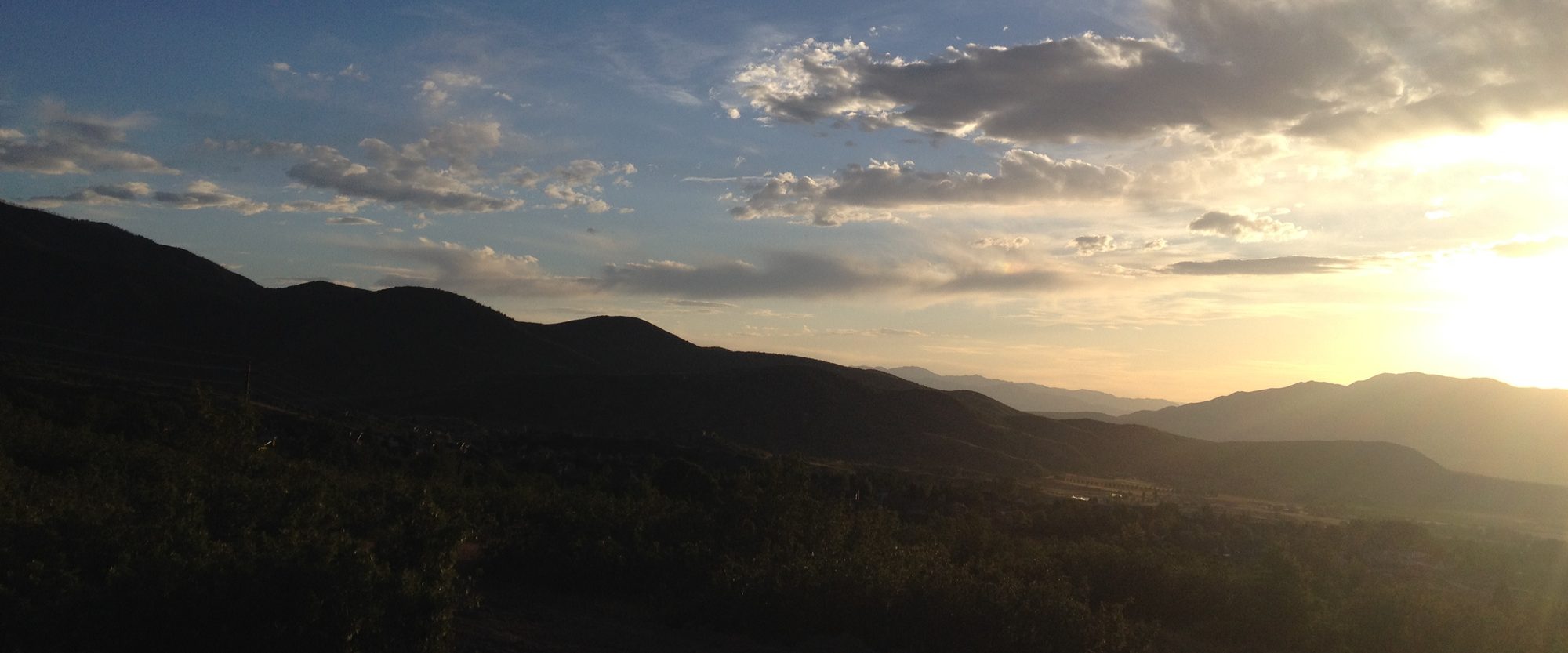
- Header photo: Colors in the sky 9, by Chelley21uvu, Wikimedia Commons, CC BY-SA 4.0
- UtahRealEstate.com (Wasatch Front MLS), Woodland Hills single-family and lot sales, pulled October 20, 2026
Last updated October 2026. Drive times are estimates without traffic from the Woodland Hills City Center. Tax estimates assume a primary home; confirm with the county. Utility rates change; confirm with the city and SESD. Market figures are based on information from UtahRealEstate.com and are deemed reliable but not guaranteed.