By Matt Sumsion | Licensed Utah Real Estate Broker | Sumsion Real Estate (March 25, 2026)
If you're buying a home in Utah County for the first time, earnest money is one of those terms you'll hear early and often and it tends to cause more anxiety than it should. Here's the good news: Utah's purchase contract is one of the most buyer-friendly in the country. Once you understand how earnest money actually works here, you'll feel a lot better about putting it down.
What Is Earnest Money?
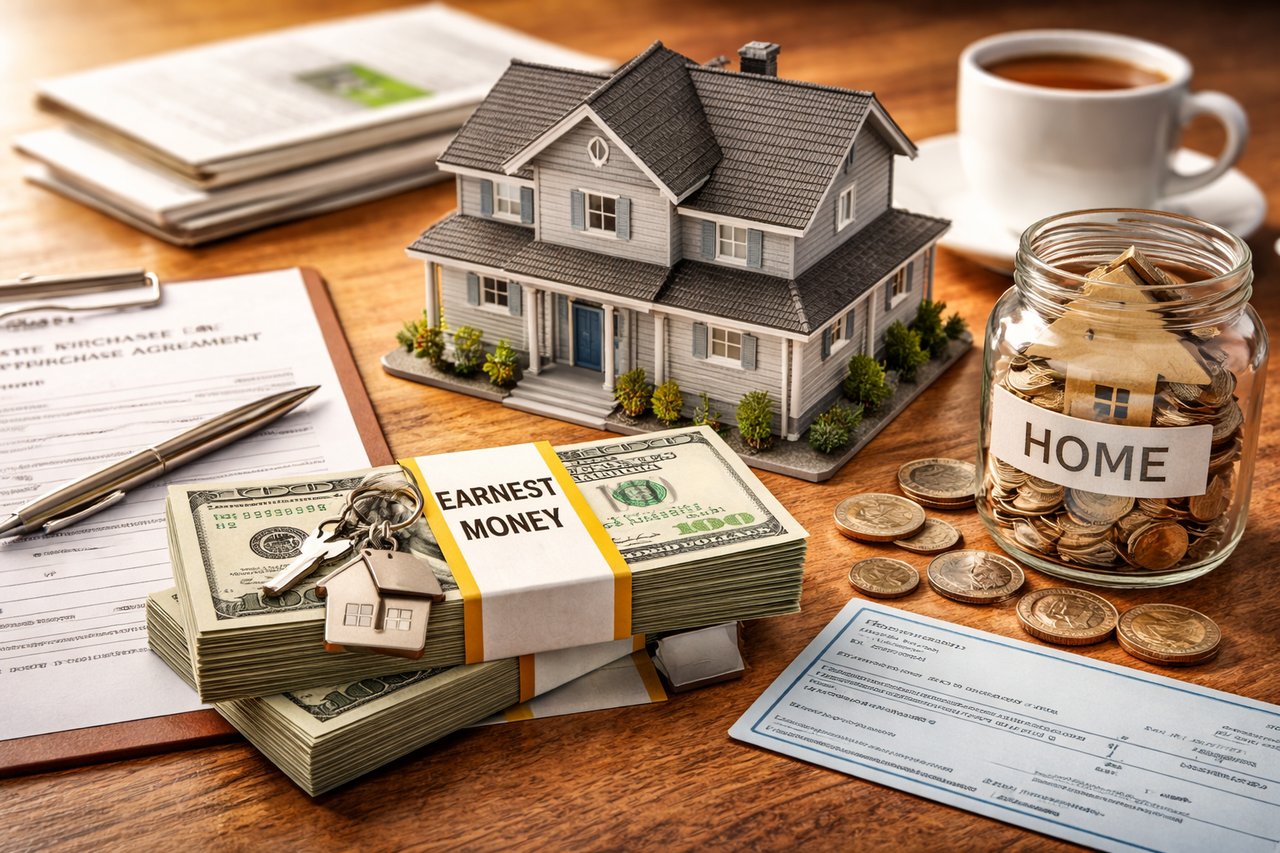
Earnest money, also called a good faith deposit, is an upfront payment a buyer makes when submitting an offer on a home. It tells the seller you're serious, not just window shopping. The funds are held in a neutral escrow account and applied toward your down payment or closing costs at closing. In Utah, earnest money typically ranges from 1% to 2% of the purchase price, though competitive situations may call for more.
How Much Earnest Money in Utah County?
Rather than give you a vague percentage, here's what earnest money actually looks like in dollars on real Utah County home prices:
|
Home Price |
1% Earnest Money |
2% Earnest Money |
Typical Range |
|
$350,000 |
$3,500 |
$7,000 |
$3,500 – $7,000 |
|
$450,000 |
$4,500 |
$9,000 |
$4,500 – $9,000 |
|
$559,500 (Median) |
$5,595 |
$11,190 |
$5,500 – $11,200 |
|
$700,000 |
$7,000 |
$14,000 |
$7,000 – $14,000 |
|
$1,000,000+ |
$10,000+ |
$20,000+ |
Negotiated case by case |
In a competitive multiple-offer situation, some buyers go above 2% to make their offer stand out. In a slower market where you have more leverage, 1% is often perfectly fine. Your agent should guide this decision based on current conditions, not a generic rule.
Where Does It Go and When Do You Pay It?
Once your offer is accepted, earnest money is typically due within a few business days, often 3 to 5. It goes directly into an escrow account held by a neutral third party, usually a title company. It sits there safely until closing, at which point it's applied toward your down payment or closing costs. You never hand money directly to the seller.
Payment is typically made by wire transfer, cashier's check, or personal check, depending on what's outlined in your purchase contract.
The Utah Buyer Protections Most People Don't Know About
This is where Utah does things differently and better than most states. Utah's Real Estate Purchase Contract (REPC) is structured specifically to protect the buyer's earnest money throughout the transaction.
Protection #1: Your Money Is Safe During Contingency Periods
In many states, earnest money goes hard (non-refundable) very early in the process. In Utah, the REPC keeps your earnest money protected through specific contingency deadlines — financing, appraisal, and inspection. If something goes wrong in any of these periods and you cancel within the deadline, you get your earnest money back. The key is knowing your deadlines and acting within them. A good agent keeps you on top of every one.
Protection #2: The Seller Match Rule
Here's the part most Utah buyers have never heard:
If a seller cancels the contract without a valid reason after you're under contract, they don't just return your earnest money, they owe you an equal amount in damages on top of it. Put down $10,000 in earnest money and a seller backs out in bad faith? They owe you $10,000 back plus an additional $10,000. That's $20,000 total. This protection exists specifically to prevent sellers from pulling the rug out from under buyers who are already committed to the deal.
This is one of the reasons offering a stronger earnest money deposit in Utah isn't just about impressing the seller, it also increases your own protection if things go sideways.
When Can You Lose Your Earnest Money?
Being honest about this matters. You can lose your earnest money if you:
-
Miss a contingency deadline without canceling, once the deadline passes, your protection for that contingency expires
-
Back out of the deal after all contingencies have been removed or expired, without a valid contract reason
-
Simply get cold feet changing your mind is not a protected reason to cancel once contingencies are gone
The solution is simple: work with an agent who tracks every deadline and makes sure you never accidentally let a protection window close.
A Quick Note for Sellers
If you're selling a home in Utah County, a higher earnest money deposit from a buyer is a good sign, it signals real commitment and gives you more security if the deal falls through on the buyer's end without cause. When reviewing offers, don't just look at the price. The earnest money amount tells you a lot about how serious the buyer actually is.
Not Sure How Much Earnest Money to Offer? Call Matt.
The right earnest money amount depends on the specific home, the current market conditions in that Utah County neighborhood, how competitive the situation is, and how you want to structure your offer. There's no one-size-fits-all answer and getting it wrong can either cost you the home or leave you unnecessarily exposed.
Call or text Matt Sumsion directly, he'll tell you exactly how much earnest money to offer in today's market.
sumsionrealestate.com